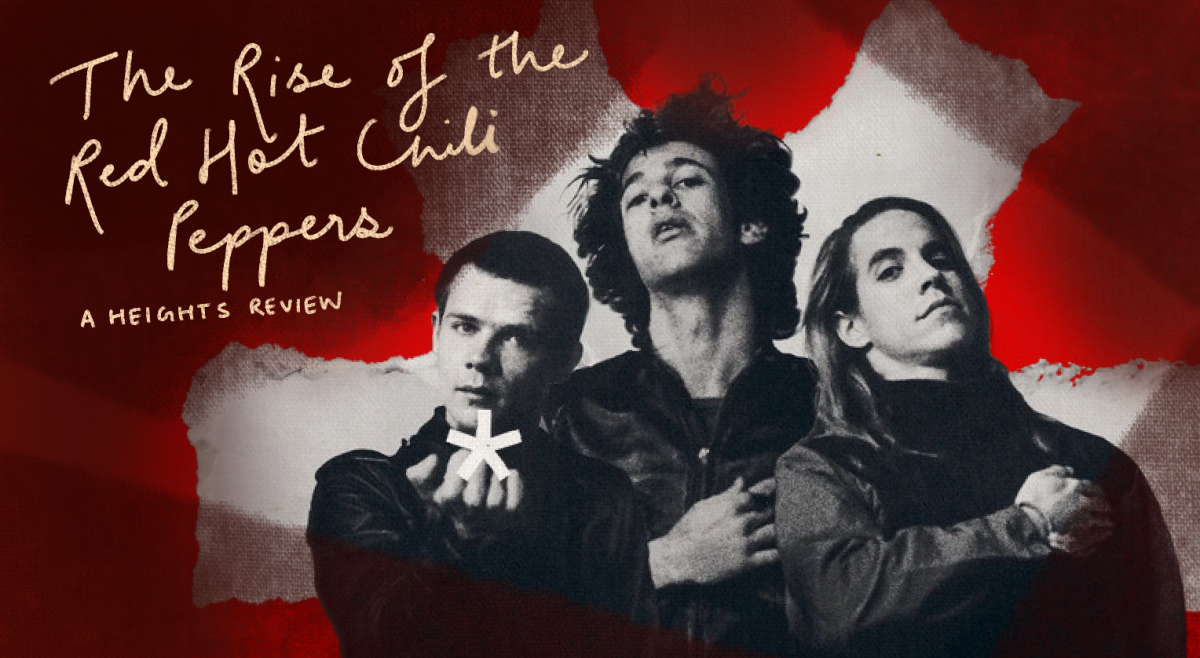
The Rise of the Red Hot Chili Peppers: Our Brother, Hillel 2026 Movie Review
Our Brother Hillel has emotional weight and valuable archival material, but for me it did not go far enough in its reflection. One of the main problems was how the documentary handled drugs and addiction. The overall context makes it clear that the consequences were tragic, but the film still felt too vague on that point, and at times it even drifted into romanticizing the idea that poetic or sensitive people somehow naturally end up using drugs. A clearer, more direct message about the destructiveness of addiction would have made the film stronger.
I also found the visual language of the present-day interviews strangely flat. Anthony, Flea, and the other speakers are filmed in locations that feel anonymous and disconnected from the story being told. The documentary would have benefited a lot from more grounded, emotionally resonant scenes, such as the surviving band members visiting Hillel’s grave, returning to places that mattered to him, or revisiting a restaurant or hangout they used to share. Moments like that could have created a stronger sense of living connection instead of making the film feel like an assembled narrative built mostly from archival material.
Another issue is that the documentary is so focused on Hillel that it paradoxically still does not fully explore him. We see his art, and even hear his digitally reconstructed voice, but the part of his life involving addiction feels underdeveloped and tonally separate from the rest of the film. That section needed more honesty and depth, even if it is difficult material.
It was also striking that John Frusciante says nothing about drugs or addiction, considering how central that subject is not only to Hillel’s story but also to John’s own near-fatal history. More broadly, the band as a whole does not dig deeply enough into the emotional and relational reasons behind what happened. Flea briefly says they did not know how to be there for each other, but the film does not build on that insight in a meaningful way.
I also think the documentary missed an opportunity to place this story in a wider modern perspective. It could have reflected more on addiction, friendship, loss, and survival from where the band stands now. Even a mention of Anthony’s and Flea’s memoirs would have added useful context. As it stands, the film feels caught between being a historical documentary and a personal reflection, without fully succeeding as either. It has moving elements, but it needed either more present-day depth or more concrete historical grounding to truly connect everything together.