Wisdom of Happiness 2025 Movie Review
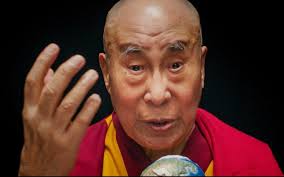
WISDOM OF HAPPINESS is a touching, cinematic portrait of the Dalai Lama’s thought for our present day. In one of his final appearances on the big screen, the tireless messenger of compassion addresses the audience directly and takes them on a journey to the source of happiness. After a long and eventful life caught between millennia-old Tibetan Buddhist traditions and Western, globalized society, the Dalai Lama observes our modern world today, with its technological and social advancements, struggling to end violence and war on the brink of impending climate collapse.
The religious speaker at the center of Barbara Miller’s and Philip Delaquis ‘s esoteric essays in the opening scene suggests that some of the audience are here out of curiosity, while others may be hoping for spiritual insight. The synopsis of the weighty wisdom lesson, at least, promises the latter. Its opening conveys the inherent contradiction of the idealistic production, which relies on a halo that the main character constantly tries to negate when he says that ” we are all equal .” “We,” of course, are not.
The assertion that all people are equal—whether in opportunities, the respect accorded them by society, or some inner essence—usually testifies to great privilege or naivety. Or it addresses a target group perceived as such. This is still an optimistic interpretation of the title’s advice, which is somewhere between calendar sayings and coaching: Kindness, compassion, consideration. Mindfulness. Life, laughter, love . Most of them could easily be sold as print posters in shabby chic decor stores. If there weren’t already too many.
More interesting, however, are the family facets and biographical insights into a childhood whose carefreeness seemingly ended with his appointment as Dalai Lama. The relentless positivism trivializes and minimizes distressing memories, such as paternal violence, homesickness, or the overwhelming demands of religious studies, or simply laughs them off. Only the oppression and violence accompanying China’s annexation of Tibet are treated with appropriate seriousness and in greater detail. But even here, the bitter aftertaste of the banal message remains: breathe in, breathe out.
Barbara Miller and Philip Delaquis are successful in their field with their production, which is more than just cinematic. Their illustrious idealism is simultaneously the ideological iconization of the pop star among religious leaders. No questions are asked, but rather devout listening. Private archive images and historical documents provide a rare contrast to the contemporary recordings filled with interchangeable sentimental scenes. Spiritual sayings become easily digestible life hacks, and polarizing topics are dialectically sidestepped or avoided. The goal is maximum mass appeal. Very demure .