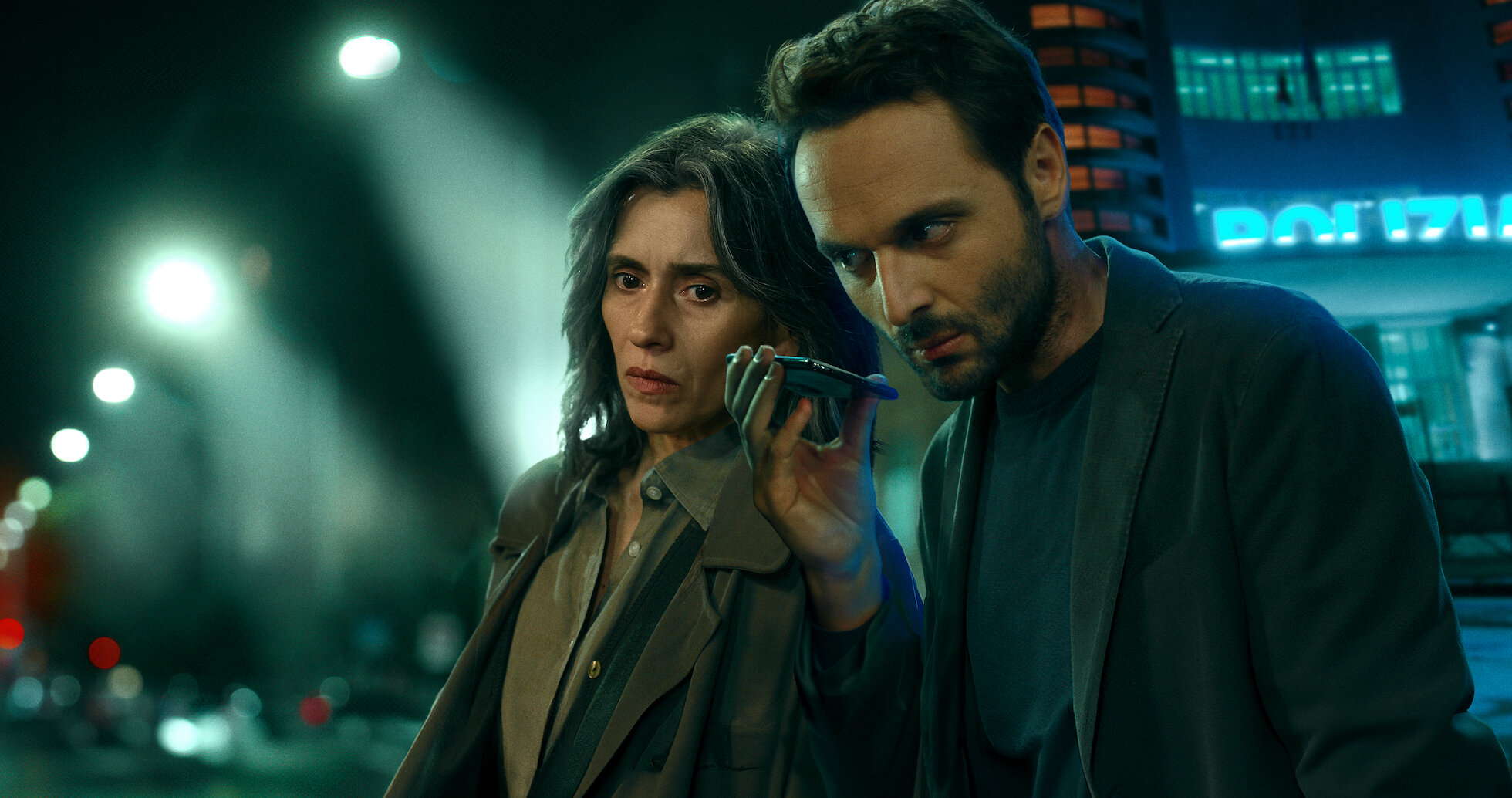
Sara: Woman in the Shadows 2025 Tv Show Review
I went into ‘Sara – Woman in the Shadows’ expecting another moody European crime series. What I got was a lesson in tactical restraint—less whodunit, more who still thinks they’re in control. This isn’t prestige TV posing as cinema. It’s a six-episode pressure cooker about a woman who’s already buried the past once and isn’t sentimental enough to do it twice. No flashbacks, no redemption arcs, just quiet expertise sharpening into quiet vengeance. This review isn’t here to applaud Netflix’s taste—it’s here to dissect a show that assumes its audience can read between the lines and isn’t afraid of silence that means something.
The Cold Open: Death, Disbelief, and the Return of a Ghost
The premise of Sara – Woman in the Shadows wastes no time pretending this is about justice. It’s about control. Sara, a retired intelligence operative with the posture of someone who’s deleted more files than she’s read, is pulled back into action after her son dies under circumstances that scream cover-up. There’s no melodrama here—no weeping montages, no inspirational piano in the background. Just a woman scanning old signals in a world that taught her to be invisible and is now pretending she never existed.
What we’re watching isn’t really grief. It’s protocol. The show strips sentiment down to bare function. The funeral isn’t an emotional peak; it’s a trigger mechanism. That’s the core twist in this Italian noir thriller—the emotion isn’t expressed. It’s weaponized.
When Silence Is Louder Than Revenge
Sara doesn’t mourn. She investigates. The emotional trigger is clear, but what’s more interesting is how she operates post-trigger. She doesn’t yell. She observes. Every glance is reconnaissance. The series hinges on this psychological shift from maternal grief to a full-blown tactical operation. No cape, no gun, no cinematic explosion—just a sharpened gaze and enough institutional knowledge to make national security systems nervous.
This is where the show earns its noir credentials. The plot isn’t propelled by external chase sequences—it’s pulled inward by emotional gravity. And how grief drives espionage in Sara: Woman in the Shadows isn’t a subplot—it’s the engine. She’s not going rogue. She’s rebooting. With purpose.
Beyond Spies and Shadows: Thematic Richness in Italian Drama
Secrets, Surveillance, and a State That Forgets Its Ghosts
Beneath the surface tension of Sara – Woman in the Shadows sits a quiet indictment of institutional rot. Everyone has history here—some of it classified, most of it buried. But unlike typical thrillers that scream about corruption through wide shots of smoking buildings and ominous generals, this show keeps it clinical. The thematic depth doesn’t come from speeches—it’s in the way Sara looks at a hallway camera and calculates how long it’s been offline.
Corruption isn’t the twist. It’s the setting. Characters trade favors like currency, and the intelligence world is less about espionage and more about surviving the architecture of loyalty, power, and betrayal. The morality isn’t grey—it’s undefined. There are no heroes. Just people with clearance.
Emotional Collateral and the Cost of Living in the File Room
The show doesn’t waste time asking whether secrets destroy people. It shows you the aftermath. What makes this Italian drama distinct is its unwillingness to resolve things. Sara’s return to the field doesn’t heal anything. It complicates everything. Her identity—both as a mother and a former operative—is fractured by decades of operating in silence. What’s personal is always procedural.
The emotional toll of this duality—retired spy and grieving mother—is constant, but never exaggerated. The most brutal scenes aren’t the confrontations; they’re the conversations that don’t happen. The show demands attention not by being loud, but by being relentlessly withheld.
And yes, there’s mature content. But it’s handled with the kind of restraint most prestige shows have long abandoned. No stylized violence. No melodramatic slow-mo. Just the blunt weight of actions that can’t be undone and the quiet damage of people who’ve lived too long in systems that chew through loyalty like policy updates.
This is where the moral themes in Netflix’s Italian drama Sara do their real work—unpacking the cost of invisibility, not through plot twists, but through psychological erosion. The story’s pulse is steady, its tone clinical, and its worldview permanently logged in grayscale.
Sara: Woman in the Shadows 2025 Tv Show Review